





FINANCE
Supply-chain finance explained: early payment without changing your terms
How e-factoring lets suppliers get paid sooner while buyers keep their 30, 60 or 90-day terms.
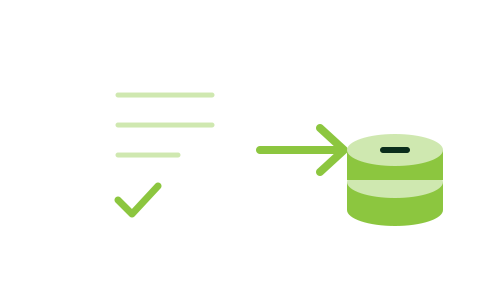
Buyers and suppliers often want opposite things from payment terms. Buyers prefer to pay later, to protect their working capital. Suppliers, especially smaller ones, need to be paid sooner to fund wages, materials and growth. Supply-chain finance offers a way to give both sides what they need.
How it works
The most common form is e-factoring, sometimes called reverse factoring. It works in six steps:
- The supplier delivers and invoices through a self-service portal.
- The buyer validates the invoice against the purchase order and contract terms, a three-way match.
- The buyer enables early payment for the suppliers it chooses.
- A financial institution checks the buyer's creditworthiness, usually through banking integration.
- The financial institution pays the supplier early, by purchasing the approved invoice at a small discount.
- The buyer pays the financial institution on the original due date, such as 30, 60 or 90 days.
Why the buyer's credit matters
Traditional factoring is priced on the supplier's credit risk, which can make it expensive for small businesses. In buyer-led supply-chain finance, the financial institution relies mainly on the buyer's promise to pay an invoice it has already approved. That usually means a lower cost for the supplier, and no credit check on the supplier at all.
What each party gains
Buyers
- Keep existing payment terms and protect working capital.
- Strengthen key suppliers, reducing the risk of disruption.
- Fewer disputes, because every invoice is matched to what was agreed.
- A single view of invoices and payment status.
Suppliers
- Get paid when they need cash, not when the terms say.
- Predictable payment timing.
- Track invoice status at any time, with email and SMS alerts.
Financial institutions
- Finance only invoices that the buyer has already approved.
- A steady, recurring flow of invoices to fund.
- Built-in status tracking and audit trails.
Why matching comes first
Supply-chain finance only works well when invoices are reliable. That is why it belongs alongside procurement, not separate from it. When the purchase order, contract and invoice already sit in one system, the three-way match is fast and the financial institution can fund with confidence.
Related articles
All articles-
 GOVERNANCE
Why procurement transparency matters for every organization
Where money leaks when buying runs on email and trust, and what changes when every bid, approval and award is open to scrutiny.
Read article -
 GOVERNANCE
Sealed bids: how encryption protects buyers and suppliers
Why bids that nobody can open early lead to fairer tenders, sharper prices and fewer disputes.
Read article -
 LEADERSHIP
Seven questions every board should ask about procurement
A short checklist for owners and directors who want to know where the money goes, and who decided.
Read article