




GOVERNANCE
Green Tape and the future of procurement: Sri Lanka’s push for transparency and governance reform
How digital procurement platforms and Sri Lanka’s public procurement reforms are two sides of the same push for transparency, accountability and better governance.
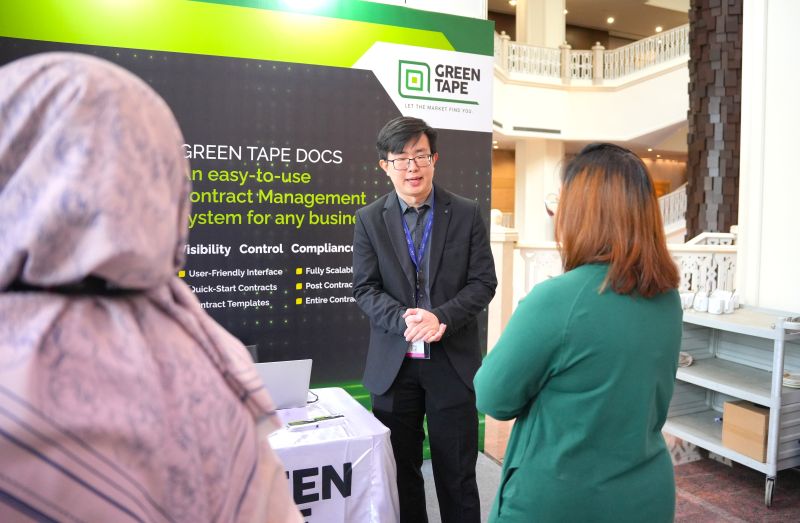
In today’s rapidly evolving global economy, efficient, transparent and technology-driven procurement systems are vital for public and private sector competitiveness. Green Tape Singapore is at the forefront of modernising procurement processes, while Sri Lanka is simultaneously undertaking reforms aimed at improving transparency, accountability, and governance across its public procurement systems.
What Is Green Tape Singapore?
Green Tape is an advanced digital procurement ecosystem developed in Singapore that helps organisations automate and streamline the sourcing, bidding, contracting, and supplier management lifecycle. It replaces outdated, manual and paper-based processes with a cloud-based marketplace where buyers and suppliers can transact transparently and competitively.
Key benefits of Green Tape include:
- End-to-end automation - from tender creation to contract execution, reducing delays and errors.
- Greater transparency and compliance - full audit trails and real-time monitoring help uphold accountability.
- Wider supplier competition - providing access to a broad supplier base that improves pricing and quality outcomes.
- Cost and time savings - centralised digital processes reduce administrative burden and operational cost.
This digital transformation in procurement supports better governance, helps eliminate bottlenecks, and encourages fair market competition - principles that are increasingly important for modern businesses and government agencies alike.
Why Procurement Transparency Matters
Procurement is one of the biggest areas of public spending, representing a significant portion of government and organisational budgets. When procurement systems lack transparency or effective oversight, opportunities for corruption, mismanagement, and inefficiency increase. Transparent procurement builds trust among stakeholders, improves value for money, and attracts investment by showing that public resources are managed responsibly.
Sri Lanka’s Direction: Reforming Procurement and Governance
Like Singapore, Sri Lanka recognises that procurement reform is a pivotal part of strengthening governance and rebuilding public trust. Over recent years, the country has been under pressure - both domestically and from international partners like the International Monetary Fund (IMF) - to reform its public financial management systems, with a strong focus on procurement transparency and accountability.
1. Government Commitment to Reform
Sri Lanka’s efforts to overhaul its public procurement system are linked to broader economic recovery goals under IMF-backed reform programs. These reforms aim to reduce corruption, increase public oversight, and modernise outdated procedures that have historically been susceptible to irregularities and discretionary decision-making. The IMF has specifically recommended enactment of a comprehensive Public Procurement Law and digital tracking tools to automate and make procurement activities transparent - including publication of contract details on public platforms.
2. Establishing Stronger Institutions
The National Procurement Commission (NPC) was re-established to oversee public procurement policies and ensure procurement rules are applied consistently across government agencies. Its mission includes developing standard procedures, monitoring performance, and improving accountability in government purchasing.
Sri Lanka is also working on strengthening its broader governance framework through legislation like the Anti-Corruption Act, which underpins independent investigation of asset declarations and bribery offences. These legal reforms form part of a wider strategy to support transparent public sector processes - beyond procurement alone.
3. Digital Technology as a Driver of Transparency
Digital governance tools have become a core part of Sri Lanka’s strategy to reduce corruption and make public services more efficient. For example, the government launched GovPay, a nationwide digital payments platform designed to replace cash-based transactions for government services with secure and efficient online processes, reducing opportunities for bribery and delays.
The country has also expanded electronic government procurement systems (e-GP) with international support to make bidding and contract information more accessible - a key step toward open contracting. Digital procurement platforms can eliminate face-to-face interactions that have traditionally enabled corrupt practices, while enhancing audit trails and real-time tracking of government contracts.
4. Civil Society and Public Accountability
Transparency in procurement isn’t only about technology and policy - civil society stakeholders are also actively involved. Organisations like Transparency International Sri Lanka (TISL) have challenged procurement guidelines and procurement manuals in court, arguing that certain provisions lack adequate safeguards for fair competition and openness. These legal actions highlight the ongoing public demand for robust oversight and transparency in public spending.
In addition, tools like the Government Action Plan Tracker provide a public dashboard to monitor reform progress, allowing citizens to see how governance commitments are being implemented - an important step in building accountability and civic engagement.
Bringing It All Together: A Shared Vision for Better Procurement
Green Tape Singapore and Sri Lanka’s governance reforms highlight two complementary approaches to advancing procurement transparency and effectiveness:
- Singapore’s Green Tape leverages technology to bring digital procurement to businesses and government buyers, improving efficiency, reducing cost, and expanding competitive markets.
- Sri Lanka is on a reform path that combines legal, institutional and digital changes to make public procurement more transparent, fair, and accountable - essential for economic recovery, public trust and cross-border investment.
While Singapore’s digital procurement platforms like Green Tape directly transform how procurement is conducted, Sri Lanka’s broader governance reforms aim to build a foundation of integrity and oversight that supports similar transformation across public institutions.
Conclusion
Procurement transparency and governance reform are central to sustainable economic development in modern societies. Singapore’s Green Tape illustrates how technology can transform procurement operations and expand market access, while Sri Lanka’s reform efforts show how governance, legislation, and digital systems can strengthen trust, reduce corruption and improve service delivery.
By embracing transparency, automation and inclusive participation - whether through platforms like Green Tape or policy reforms - nations and organisations can ensure that public resources are spent responsibly, fairly, and efficiently.
Gallery
See it on your process.
Book a time with a Green Tape specialist and we will walk through a live demo.
Related articles
All articles-
 GOVERNANCE
Why procurement transparency matters for every organization
Where money leaks when buying runs on email and trust, and what changes when every bid, approval and award is open to scrutiny.
Read article -
 GOVERNANCE
Sealed bids: how encryption protects buyers and suppliers
Why bids that nobody can open early lead to fairer tenders, sharper prices and fewer disputes.
Read article -
 GOVERNANCE
Delegation of authority that actually holds
Turning an approval policy on paper into rules that are followed on every purchase.
Read article