






SOURCING
Demand aggregation: how to get enterprise-level terms
Pooling what departments and sites buy separately, and why suppliers compete harder for the full volume.
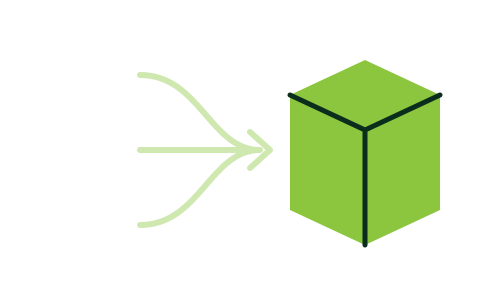
Most organizations buy the same things many times over. IT equipment, uniforms, cleaning supplies, stationery, vehicle spares and office furniture are ordered separately by different departments, sites and business units, each in small quantities and each at its own price.
From a supplier's point of view, each of those orders is small. From the organization's point of view, the total is significant. Demand aggregation closes that gap.
What demand aggregation means
Demand aggregation combines the requirements of several buyers into one sourcing event. Instead of ten departments each asking for quotes on 20 laptops, one tender asks suppliers to bid for 200. Suppliers compete for the full volume, and the winning terms apply to everyone who took part.
Why suppliers compete harder
- Volume. A larger order spreads the supplier's fixed costs and justifies a sharper price.
- Certainty. One award with clear quantities is easier to plan for than a stream of small, unpredictable orders.
- Lower cost to serve. One tender, one contract and coordinated deliveries reduce the supplier's administration.
How it works in practice
- Teams add their needs. Each department, site or partner enters its requirement for a common item.
- Demand is pooled. Quantities are combined into one specification.
- Suppliers compete. One tender or reverse auction is run for the full volume.
- Everyone gains. The winning terms apply to every participant, with deliveries and invoices handled per buyer.
Beyond your own walls
Aggregation does not have to stop at one organization. Companies within a group, members of an industry association, or partners with similar needs can pool their demand in the same way, while each keeps control of its own budget and approvals.
What makes it work
- Common specifications. Agree a standard item, or a small set of options, so suppliers are pricing the same thing.
- Clear timelines. Set a window for teams to add their needs, so the event is not held up.
- Transparent results. Show every participant what was saved, so they join the next event too.
SEE IT IN PRACTICE
Green Tape GroupBuy
Pool demand across departments, sites and partners into one tender.
Related articles
All articles-
 SOURCING
Turning surplus assets into revenue with online auctions
Why open, timed auctions recover more value than private disposals, and how to show the sale was fair.
Read article -
 GOVERNANCE
Why procurement transparency matters for every organization
Where money leaks when buying runs on email and trust, and what changes when every bid, approval and award is open to scrutiny.
Read article -
 GOVERNANCE
Sealed bids: how encryption protects buyers and suppliers
Why bids that nobody can open early lead to fairer tenders, sharper prices and fewer disputes.
Read article